Why Choose a 12V 2 Amp Charger for Your Device?
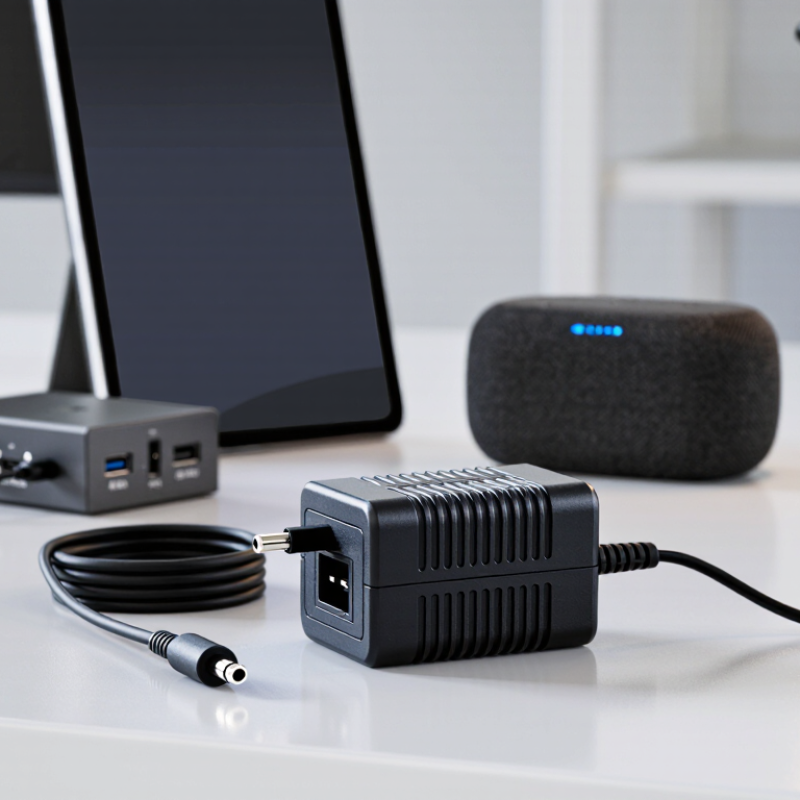
A 12v 2 Amp Charger may look like a simple power brick, but its ratings matter. It supplies 12 volts and can provide up to 2 amps, or about 24 watts. Your device usually draws only the current it needs, provided the charger’s voltage, polarity, and connector match. Check the device label before plugging anything in. Small details count. A center-positive barrel plug, for example, may not suit a center-negative device.
Battery charging needs extra care. A power adapter is not automatically a battery charger. Rechargeable batteries require the correct charging method for their chemistry, so follow the device maker’s instructions. Battery University founder Isidor Buchmann’s guidance can be paraphrased this way: “Match charging conditions to the battery’s chemistry and limits.” That principle helps explain why a matching voltage alone is not enough. Look for a regulated output and a charger designed for your device. If the label is worn or unclear, pause and verify the specifications. It is easy to assume two similar plugs are interchangeable. They may not be. In this guide, we’ll examine compatibility, charging performance, and practical safety checks, so you can decide whether a 12v 2 Amp Charger suits your device.
Understanding the 12V and 2A Charger Ratings
A 12V, 2A charger has a maximum rated output of 24 watts: voltage multiplied by current. The 12V rating must match the device’s specified input; a mismatch can cause malfunction or damage. The 2A figure describes the current the supply can provide, not a current it forces into the device. A compatible device typically draws what it needs. Check the connector size and polarity, too.
Small details matter.
The U.S. Department of Energy’s Level VI external-power-supply rule evaluates average active-mode efficiency. Its equation gives a minimum of about 86% for a 24-watt, single-voltage supply, where that rule applies. This is a useful benchmark, not proof that any particular charger is efficient or compatible. IEC 62368-1 also addresses electrical-energy sources and safeguards in electronic equipment. A rating label alone cannot confirm safe operation.
Inspect the cable for loose plugs or damaged insulation, and stop using a supply that becomes unusually hot. I would still check the device manual; charger labels can leave out details that matter.
How Voltage and Current Determine Device Compatibility
A 12V 2A charger provides a steady 12 volts and can supply up to 2 amps, or 24 watts. Voltage is the first compatibility check. A device rated for 12V usually needs a supply with the same output voltage; even a small mismatch can cause poor operation or damage. Check the label near the power socket or in the device manual. Guessing from the connector alone is risky.
Current works differently. The device draws the current it needs, while the charger must be capable of supplying that amount. If a 12V device requires 1.5A, a suitable 12V 2A supply can generally meet that demand. If the device requires 2.5A, the charger may overheat or fail under load. Watch for signs like a warm adapter or a screen that flickers. Small details matter.
Voltage and current are not the whole story. Confirm the connector size, polarity, and whether the device requires direct current. Some rechargeable batteries need a dedicated charging circuit and a specific charging profile, not a basic power adapter. I have seen compatibility checks stop at “12V,” which is understandable but incomplete. It is worth checking the fine print before plugging in. A neat fit is not proof.
Devices Commonly Powered by a 12V 2A Charger
Small home routers, modems, and network switches are common devices that may use a 12V, 2A power adapter. Their labels or manuals should confirm the required voltage and current. Some security cameras and compact monitors use the same rating, though similar-looking devices can have different power needs. Certain LED lights and small audio units may also be compatible. Check the label. A matching plug alone does not prove that an adapter is suitable.
The 2A rating is the maximum current the adapter can supply; a compatible device typically draws only what it needs. Voltage matters more: the adapter’s output should match the device’s specified 12V requirement. Check connector size and polarity, too. For example, a round barrel plug may fit physically while its center polarity is wrong. That assumption is easy to make, and not always right. Look for clear output markings before connecting power. If a device becomes unusually warm, flickers, or restarts, disconnect it and recheck the specifications rather than assuming the adapter is close enough.
Why Choose a 12V 2 Amp Charger for Your Device? — Devices Commonly Powered by a 12V 2A Charger
A 12V, 2A power supply provides up to 24 watts. The devices below are examples that may use 12V input; actual power requirements vary by model and operating conditions.
Safety Checks for Selecting and Using a 12V 2A Charger
A 12V 2A charger can suit a device that requires 12 volts and draws no more than 2 amps. The voltage must match; the current rating describes the charger’s capacity, not a current it automatically forces into the device. Check the device label or manual rather than relying on the plug fitting. Small details matter.
Before connecting it, confirm the connector size and polarity. A plug that slides in easily can still have the wrong positive and negative arrangement. Check that the charger provides regulated DC output, and that its instructions allow use with your device’s battery type. Rechargeable batteries can require specific charging controls, so a matching voltage alone is not enough. If the specifications are unclear, pause and ask the device maker or a qualified technician.
Inspect the cable and casing for cuts, bent pins, cracks, or loose connections. Use the charger on a dry, firm surface with airflow around it, not under bedding or papers. During the first charge, check occasionally for unusual heat, buzzing, or a sharp smell. Stop and unplug. A slightly warm casing may be normal, but excessive heat is not something to explain away; I would rather recheck the ratings than assume a charger is safe.
Why Choose a 12V 2A Charger? Safety Checks for Selecting and Using One
A 12V 2A charger is rated for up to 24W (12V × 2A). The chart shows calculated loads at 12V: a device drawing no more than 2A is within that current rating, while a 2.5A load exceeds it. Before use, confirm the device requires regulated 12V DC, check connector polarity and fit, and ensure its current requirement does not exceed the charger's rating. For batteries, use a charger designed for the specific battery chemistry and charging requirements.