Electro Cables
Login

Why Choose Marine Battery Cable for Marine Applications?

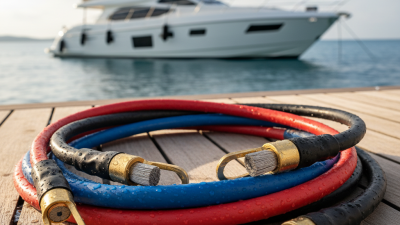
Choosing the right marine battery cable can determine whether a vessel starts reliably or struggles at the dock. In marine environments, cables face salt spray, vibration, moisture, heat, and repeated engine movement. Ordinary automotive cable may appear similar, but its construction often suits less demanding conditions. A properly selected marine battery cable uses flexible, finely stranded copper for easier routing and stronger resistance to movement. Tinned copper conductors can provide additional protection against corrosion, especially near battery compartments and exposed connections.

Practical installation experience shows that cable size matters as much as material quality. Undersized cable may create excessive voltage drop, warm terminals, and reduce starter performance. The correct choice depends on current demand, circuit length, installation temperature, and the type of equipment being powered. Measure carefully.

Reliable marine systems also depend on durable insulation, secure terminals, and protected cable routes. Abrasion-resistant insulation helps prevent damage where cables pass through bulkheads or near engines. Proper crimping and heat-shrink sealing can keep moisture away from electrical connections. These details are easy to overlook. They often cause the failures owners remember most.

This guide explains why marine battery cable is designed for demanding vessel applications. It considers conductivity, flexibility, corrosion resistance, safety, and long-term maintenance. Manufacturer specifications and recognized marine installation practices should always guide final selection. No cable solves every problem. Poor routing, loose terminals, or incorrect sizing can still undermine a good product. That honest limitation matters when building a dependable electrical system on board.
Why Choose Marine Battery Cable for Marine Applications?

What Is Marine Battery Cable and How Is It Designed?

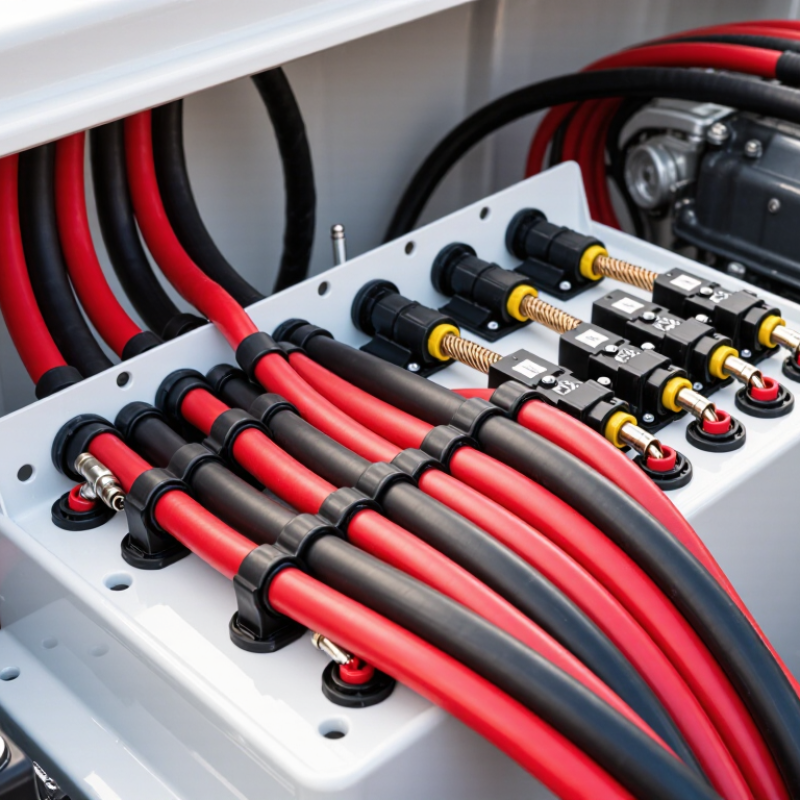
Marine battery cable is a flexible power conductor built for wet, vibrating boat environments. It connects batteries to starters, distribution panels, inverters, and other high-current equipment. Unlike ordinary automotive cable, it is commonly made with finely stranded copper. These strands bend repeatedly without quickly breaking. Many marine cables use tin-coated copper to slow corrosion caused by salt air and moisture. That protection helps, but it is not magic. Water can still enter through damaged insulation or poorly sealed terminals.

The cable’s design begins with current capacity and length. Longer runs create more voltage drop, so a larger conductor may be needed. Installers should check the equipment load, allowable voltage loss, ambient temperature, and routing space. Insulation must resist oil, abrasion, heat, and sunlight where exposure is possible. A flexible jacket helps the cable follow tight engine-room paths. Still, flexibility should not replace support. Clamps should prevent movement near batteries, engines, and connection points. A loose cable can chafe against a sharp edge.

Reliable installation depends on more than the cable itself. I have seen good cable perform poorly after an undersized lug was crimped with the wrong tool. The connection heated, discolored, and needed replacement. Properly sized terminals, sealed connections, and clean contact surfaces matter. Every cable should also be protected against accidental short circuits with suitable overcurrent protection. Check markings and technical data before installation. Then inspect the route again. Small oversights often decide whether a marine electrical system remains dependable.

How Marine Battery Cable Performs in Harsh Marine Environments

Marine battery cable is designed for conditions ordinary automotive cable may not survive. NOAA reports average seawater salinity near 35 PSU, creating a persistent corrosion risk around terminals and engine compartments. Tinned copper conductors resist surface oxidation better than bare copper. However, tin does not repair a damaged crimp.

A properly selected cable also manages heat, vibration, and voltage loss. ABYC E-11 guidance commonly limits voltage drop to 3% on critical circuits and 10% on non-critical circuits. That matters when a starter draws hundreds of amperes. A cable that looks thick enough may still perform poorly if it is too long, sharply bent, or connected with loose lugs. Measure the complete circuit path, including the return conductor.

UL 1426 marine cable specifications commonly include 105°C dry-temperature ratings. The insulation must also tolerate oil, moisture, and repeated movement. In practice, technicians should inspect green discoloration, stiff insulation, and warm terminals after heavy engine use. Small details matter.

No cable is maintenance-proof. That assumption deserves correction. Saltwater can enter through a single damaged seal. Heat can expose an undersized installation within minutes. High-quality marine battery cable performs best when paired with sealed connections, correct overcurrent protection, and regular inspection. Specs help. Workmanship decides.

What Safety Benefits Does Marine Battery Cable Provide?

Marine battery cable is designed for wet, vibrating, and confined environments.

Its construction supports safer current delivery than ordinary automotive cable. Fine-stranded copper conductors bend around batteries, terminals, and engine spaces without breaking easily. Flexible insulation also helps resist oil, moisture, heat, and abrasion.

Safety begins with controlled electrical resistance. Correctly sized marine cable reduces voltage drop and limits excess heat during starting or heavy charging.

That matters near fuel vapors, plastic housings, and other heat-sensitive parts. Tinned conductors can offer better corrosion resistance in salty air. Corrosion is not always visible. A cable may look sound while its connection slowly weakens.

Secure installation remains essential. Even excellent cable cannot correct a loose lug or poor crimp.

Technicians should use properly sized terminals, sealed connections, and suitable strain relief. Cables need protection from sharp edges and engine movement. A fuse or circuit breaker should be placed close to the battery when required by the electrical design. This can reduce damage during a short circuit.

Regular inspection adds another safety layer.

Look for swollen insulation, green residue, stiff sections, and warm terminals after operation. Small details matter. In practice, routing is sometimes treated as an afterthought, especially during quick repairs. That habit deserves reconsideration.

Manufacturer instructions, vessel standards, and qualified marine electricians should guide final cable selection and installation.

How Does It Compare with Standard Automotive Battery Cable?

Why Choose Marine Battery Cable for Marine Applications?

When a battery cable runs through a damp engine compartment, its construction matters. Marine battery cable is usually made with finely stranded, tinned copper. The tin coating helps slow corrosion when salt spray or condensation reaches the conductor. Its insulation is also designed to resist oil, heat, abrasion, and repeated flexing. That difference is easy to miss. A cable can look healthy outside while corrosion grows under the insulation.

Standard automotive battery cable often uses stranded copper with durable insulation. It performs well in dry, protected engine bays. However, many vehicles experience less persistent moisture and vibration than boats do. Marine cable generally offers finer strands, which bend more easily around tight battery compartments. It also provides better protection at crimped terminals when properly sealed. A loose or poorly crimped connection can defeat an excellent cable. I have seen that mistake more often than expected.

Choose the cable by current load, length, temperature, and installation route, not appearance alone. Oversized cable can reduce voltage drop, but it still needs secure supports and correctly sized terminals. Use marine-rated heat-shrink protection at every exposed connection. Check for green discoloration, stiff insulation, warmth, or a sulfur-like smell during maintenance. These signs deserve attention. One point needs reflection: “marine grade” is not a substitute for sound routing and inspection. Even robust cable fails when it rubs against a sharp edge or stays wet inside an unsealed terminal.

Why Choose Marine Battery Cable for Marine Applications? - How Does It Compare with Standard Automotive Battery Cable?

Comparison Dimension Marine Battery Cable Standard Automotive Battery Cable Practical Implication
Primary Environment Designed for damp, humid, salt-air and splash-prone conditions found in boats and other marine equipment. Primarily designed for comparatively controlled under-hood automotive environments. Marine cable is generally better suited to persistent moisture and salt exposure.
Conductor Material Usually stranded copper with tin plating on the strands. Commonly stranded copper; tin plating is not universal. Tinned strands help slow oxidation and corrosion when moisture reaches the conductor.
Corrosion Resistance High when the cable is correctly manufactured, terminated and sealed; tin plating protects exposed copper strands. Adequate for typical vehicle service, but unplated copper can oxidize more quickly in wet or salty conditions. Helps preserve electrical performance and connection reliability over time.
Stranding and Flexibility Typically uses fine-stranded construction to improve flexibility and resistance to vibration-related fatigue. Stranding varies by cable design; many automotive cables are flexible but may not be optimized for marine routing. Easier routing through compact compartments and around equipment that moves or vibrates.
Insulation and Jacket Often specified with insulation suitable for moisture, oil, abrasion, temperature variation and marine installation requirements. Usually selected for automotive temperature, oil and abrasion conditions; exact performance depends on the cable specification. The correct marine-rated jacket provides better protection where water and mechanical exposure are expected.
Electrical Conductivity Copper conductor provides high conductivity; cable performance depends on conductor size, length, temperature and termination quality. Copper conductor also provides high conductivity when correctly sized and installed. Marine cable is not automatically more conductive; its main advantage is environmental durability.
Voltage-Drop Control Available in sizes selected for longer cable runs and the relatively low voltages commonly used in marine electrical systems. Also available in many cross-sectional sizes, but automotive installations often have shorter battery-to-load distances. Correct cable sizing remains essential; larger conductors reduce resistance and voltage drop.
Vibration and Movement Fine stranding and flexible insulation can help accommodate continuous vibration and movement on a vessel. Designed to tolerate vehicle vibration, but the construction may not match the requirements of every marine installation. Marine cable can reduce stress on conductors when properly supported and routed.
Termination Requirements Requires correctly sized lugs, crimping tools, sealing methods and corrosion-resistant hardware. Uses similar termination principles, but moisture sealing may be less demanding in ordinary vehicle locations. A marine cable system can still fail if terminals are poorly crimped, exposed or inadequately sealed.
Standards and Compliance Should be selected according to applicable marine wiring standards, vessel regulations and the installation requirements. Often manufactured to automotive cable specifications, which may not cover marine installation requirements. Check the cable marking, temperature rating, conductor size and required marine approval before installation.
Typical Service Life Can provide a longer service life in marine conditions when correctly sized, routed, supported and protected. Can perform well in dry automotive locations but may deteriorate faster under continuous saltwater exposure. Environmental suitability and installation quality strongly affect actual service life.
Best Application Boat batteries, engine starting circuits, onboard DC distribution, trolling motors and other moisture-exposed marine systems. Passenger vehicles, commercial vehicles and equipment installed in conventional automotive environments. Choose marine cable when moisture, salt, vibration and longer cable runs are significant concerns.

Note: Cable performance depends on conductor size, cable length, current demand, temperature, routing, terminals and compliance with the applicable installation standard.

How to Select, Install, and Maintain Marine Battery Cable

Why Choose Marine Battery Cable for Marine Applications?

Selecting marine battery cable starts with the vessel’s real electrical load. Choose fine-stranded, tinned copper cable with insulation suited to heat, moisture, and vibration. Calculate the full circuit length, including the return path. Then check ampacity and voltage drop under continuous load. ABYC E-11 commonly uses a 3% voltage-drop target for critical circuits and 10% for non-critical circuits. A cable that looks thick may still be undersized.

3% / 10%

ABYC E-11 commonly uses a 3% voltage-drop target for critical circuits and 10% for non-critical circuits.

Installation details matter. Place overcurrent protection close to the battery, following ABYC requirements and the equipment manufacturer’s instructions. Crimp terminals with the correct tool, then seal them with adhesive-lined heat shrink.

Support the cable against engine vibration, avoid sharp bends, and keep connections above likely bilge water. Do not rely on appearance alone. A clean terminal can hide a loose crimp.

Maintenance should be practical and regular. Inspect cables quarterly, especially near batteries, engines, and exposed junctions. Look for swelling, green corrosion, hard insulation, heat marks, or loose fasteners. Measure voltage drop while the load operates; resting voltage can mislead you. The U.S. Coast Guard’s 2023 Recreational Boating Statistics recorded 3,844 incidents, 564 deaths, and 2,641 injuries. Those figures do not prove cable failure, but they reinforce careful electrical maintenance. One imperfect habit remains common: replacing a damaged cable without finding the original overload or chafe point. That repair may not last.

Lighting Power & Control-Signal Cable

This content is restricted to site members. If you are an existing user, please log in. New users may register … LEARN MORE “Lighting Power & Control-Signal Cable”