Why Choose Outdoor Electrical Cable for Your Projects?
When it comes to outdoor projects, the choice of materials is critical. Outdoor electrical cable is designed to withstand harsh weather conditions. According to a detailed report from the National Electrical Contractors Association (NECA), nearly 30% of electrical failures in outdoor setups are due to subpar cable quality. Ensuring you select the right components can significantly enhance longevity and safety.
Expert electrician Sarah Thompson states, "Choosing the right outdoor electrical cable is crucial for avoiding potential hazards." Her insights highlight the need for reliable materials in outdoor environments. Most don’t consider that environmental factors can impact electrical performance. For instance, UV radiation and moisture can degrade inferior cables quickly.
Real challenges exist in ensuring consistent quality in outdoor cables. Cost-saving measures often lead to poor choices. Compromising on quality can result in frequent replacements and increased expenses in the long run. Being informed can help mitigate these risks and enhance overall project success. Selecting high-quality outdoor electrical cables is not just a preference; it's a necessity to ensure safety and efficiency.
Benefits of Using Outdoor Electrical Cable in Various Applications
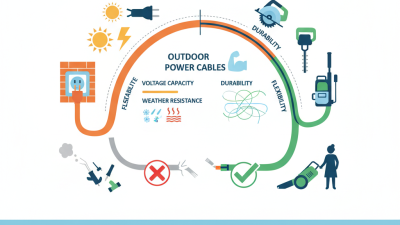
Outdoor electrical cables are crucial in various applications. They are specifically designed to withstand harsh weather conditions. Their robust insulation protects against UV rays and moisture. This durability makes them ideal for outdoor lighting, garden tools, and power supplies for outdoor events.
When using outdoor cables, consider the environment. Ensure that the cable’s rating matches the intended use. For example, for direct burial, select cables designed to resist moisture and soil acidity. Pay attention to the gauge and ampacity to avoid overheating and damage.
For safety, always check connections and junctions. Corrosion can weaken the cable over time. Regularly inspect for signs of wear or fraying. This proactive approach can extend the lifespan of your installations. Remember, even small details matter. Choosing the right cable can prevent potential hazards.
Factors to Consider When Selecting Outdoor Electrical Cable for Projects
When selecting outdoor electrical cable for your projects, consider several critical factors. First, focus on the cable's insulation. Outdoor cables require robust protection against moisture, UV exposure, and varying temperatures. Choosing cables rated for outdoor use ensures longevity and safety.
The cable gauge matters too. Thicker cables can handle more power without overheating. Always match the gauge to your specific application. For example, if you plan to power heavy machinery, opt for a heavier gauge. Improper sizing might lead to performance issues.
Consider installation conditions. Will the cable be buried underground or exposed to the elements? For underground use, look for cables with enhanced moisture resistance. If exposed, ensure the cable can withstand sunlight and weather changes.
When in doubt, seek expert advice. Professional guidance can help prevent costly mistakes. Pay attention to local codes and regulations. Compliance ensures both safety and efficiency. A well-informed choice enhances project success.
Industry Standards and Compliance for Outdoor Electrical Cables
When selecting outdoor electrical cables, understanding industry standards and compliance is crucial. Outdoor cables must withstand harsh weather conditions. They should be resistant to UV light, moisture, and temperature variations. The National Electrical Code (NEC) provides guidelines on the proper use of electrical cables outdoors. Following these standards helps prevent electrical failures and enhances safety.
Selecting the right cable type is often overlooked. For instance, choosing between PVC and polyurethane can significantly impact durability. PVC is cost-effective but may not withstand extreme temperatures. Polyurethane cables are more flexible and resistant to abrasion, making them suitable for various outdoor applications.
It's also essential to check for certification marks on cables. These indicate compliance with safety standards. Always consider the environment where the cables will be used. If the area is prone to flooding, select cables with a watertight seal. Reflect on your project requirements. Taking these steps ensures a reliable and safe electrical installation.
Durability and Weather Resistance: Key Features of Outdoor Electrical Cables
When selecting electrical cables for outdoor projects, durability and weather resistance emerge as critical features. Outdoor electrical cables must withstand various environmental conditions. They are designed to resist UV radiation, moisture, and extreme temperatures. A study by the National Electrical Manufacturers Association states that improper cabling can lead to a 30% failure rate in outdoor installations, underscoring the importance of selecting the right type.
These cables often incorporate specialized materials. For example, thermoplastic compounds and cross-linked polyethylene are commonly used for insulation. These materials prevent water infiltration, which is essential for maintaining conductivity. According to the International Electrotechnical Commission, cables that lack adequate weatherproofing can suffer degradation within months, affecting performance and safety.
When considering cable thickness and gauge, these factors can affect durability. Thicker cables generally offer better protection. However, balancing gauge and flexibility is crucial for installation. Installing cables without consideration for their environment can lead to premature failure. Hence, selecting outdoor-rated cables that align with the project requirements ensures longevity and reliability.
Why Choose Outdoor Electrical Cable for Your Projects?
Cost-Effectiveness of Outdoor Electrical Cables in Long-Term Projects
Outdoor electrical cables provide a cost-effective solution for long-term projects. These cables are designed to withstand harsh weather and physical wear. In the long run, they can save money on replacements and repairs. Investing in high-quality outdoor cables reduces the risk of electrical failures. This ensures smooth operation throughout the project's duration.
Choosing the right outdoor electrical cable can be confusing. Many types exist, each suited for specific environments. Users need to consider factors like UV resistance and insulation thickness. Outdoor cables often prove to be more durable but may require higher upfront costs. However, the long-term savings can outweigh these initial expenses. Regular maintenance and inspections can further extend the life of these cables.
Some aspects might not meet expectations, leading to costly adjustments later. Improper installation or selection can cause issues. Users may overlook the importance of compatibility with existing systems. It is essential to research and consult experts to avoid these pitfalls. Understanding the specific needs of a project can lead to better decisions. This ensures that the chosen cables serve their intended purpose effectively.
Why Choose Outdoor Electrical Cable for Your Projects? - Cost-Effectiveness of Outdoor Electrical Cables in Long-Term Projects
| Cable Type |
Voltage Rating (V) |
Price per Meter ($) |
Lifespan (Years) |
Installation Cost ($) |
Maintenance Frequency (Years) |
Total Cost Over 10 Years ($) |
| Type UF |
600 |
0.50 |
30 |
200 |
5 |
2,500 |
| Type SE |
600 |
0.75 |
25 |
250 |
5 |
2,750 |
| Type NM-B |
600 |
0.30 |
20 |
180 |
3 |
3,000 |
| Type USE |
600 |
0.65 |
30 |
220 |
7 |
2,480 |