Explore the Best Marine Battery Cable Options for Global Buyers
When it comes to marine battery cables, selection matters greatly. As industry expert John Mitchell states, "Choosing the right marine battery cable can enhance performance and ensure safety." With a variety of options available, global buyers must navigate through a sea of choices.
The quality of marine battery cables impacts reliability on the water. Subpar cables can lead to power loss or safety risks. Buyers should prioritize well-insulated, high-conductivity materials. This will safeguard against corrosion and wear, extending product longevity.
Despite advancements, many cables still fall short in delivering promised performance. Understanding specifications is crucial. It's essential to seek cables with proven track records. Not every seller is transparent; due diligence can save many headaches later. Embracing the challenge of selection is key to achieving optimal results on any marine adventure.
Understanding Marine Battery Cables: Types and Specifications
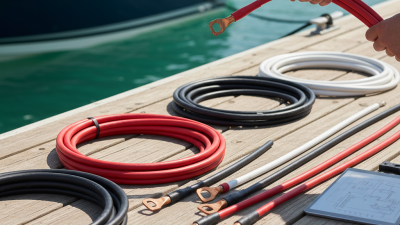
When selecting marine battery cables, it's crucial to understand the various types and specifications available. Marine environments can be harsh. Cables must withstand moisture and corrosion. Tinned copper cables offer better resistance than traditional copper. This helps prolong their lifespan.
The gauge size of the cable is also essential. A thicker gauge means better conductivity and less voltage drop. Many boaters overlook this detail. Choosing the wrong gauge can lead to inefficiencies. Insulation ratings are equally important. Cables with high-quality insulation can resist heat and wear. They are vital for safety.
Connector choices can affect performance. Different connectors may not fit together properly. This can create issues in power delivery. It's worth researching options before making a decision. Understanding these elements is key to optimizing your marine battery setup. Making informed choices improves safety and reliability on the water.
Key Factors to Consider When Selecting Marine Battery Cables
When selecting marine battery cables, several key factors should be prioritized. The gauge size of the cable is crucial. A lower gauge number indicates a thicker cable, which can handle more current. Ensure the cable is thick enough for your needs. For example, if you're powering multiple devices, a thicker gauge is essential.
The material of the cable also matters. Copper is the most recommended due to its excellent conductivity. However, aluminum cables can be lighter and more affordable. Evaluate the long-term reliability of these materials in marine environments. Corrosion resistance is a significant concern. Opt for cables that are coated or made with marine-grade materials to withstand saltwater exposure.
Lastly, consider the cable length. Longer cables can lead to voltage drop, impacting performance. Measure accurately and choose lengths that match your requirements. Be cautious about the connections as well. Poor connections can lead to heating and eventual failure. It might be wise to double-check all connections during installation. Reflecting on these factors can lead to better performance and reliability in your marine applications.
Top Marine Battery Cable Brands: A Comparative Overview
When selecting marine battery cables, understanding the brands is crucial. A recent industry report found that the marine battery cable market is expected to grow by 5% annually. This indicates rising demand for high-quality options. Popular brands often prioritize materials that resist corrosion and enhance conductivity. High-strand copper is favored for its flexibility and current transfer efficiency.
Some brands stand out for their superior insulation. For instance, cross-linked polyethylene (XLPE) proves to be more durable in harsh marine environments. According to industry analyses, cables with thicker insulation can better withstand moisture and temperature variations. However, not all available options meet these standards. Buyers must be aware of the risks associated with cheaper alternatives, as they may not offer reliable performance over time.
Vendor reputation plays a key role in decision-making. Trusted brands often provide detailed specifications and performance data. Transparency can help buyers avoid low-quality cables that might lead to equipment failure. Consumer feedback frequently highlights the need for thorough research before making purchases. Comparing various brands concerning user experiences is essential to ensure longevity and safety in marine applications.
Installation Guidelines for Marine Battery Cables and Safety Tips
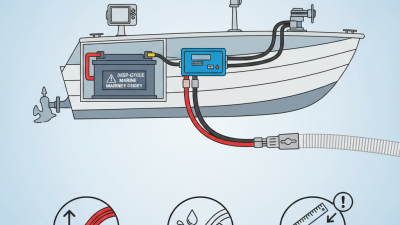
When installing marine battery cables, proper preparation is crucial. Start by selecting cables that meet industry standards, such as ABYC and SAE. These standards ensure durability and reliability in marine environments. For instance, marine cables should be made from tinned copper to resist corrosion. Corrosion can significantly shorten the lifespan of battery connections.
Safety is paramount when handling electrical systems on boats. Always use insulated tools when connecting cables. A study from the National Marine Manufacturers Association (NMMA) indicates that over 30% of boating accidents involve electrical failures. This highlights the importance of secure and proper installations. Rely on appropriate gauge cables; thicker cables reduce heat and resist voltage drop.
Be mindful when routing cables. Ensure they are not exposed to sharp edges or heat sources. Regularly inspect connections and terminals for signs of wear or oxidation. An alarming 20% of boat fires stem from electrical issues. Awareness of these risks can protect both your investment and personal safety. Always prioritize reliable installations and follow best practices for your marine electrical systems.
Maintenance Practices for Longevity of Marine Battery Cables
Marine battery cables are essential for reliable boat performance. Proper maintenance can prolong their lifespan. Regular inspection is vital. Look for fraying insulation or corrosion on terminals. These issues can cause poor connections.
Cleaning the terminals is an often-overlooked task. A mix of baking soda and water can effectively neutralize corrosion. Ensure that the connections are tight; loose connections can lead to overheating. Consider using terminal protectants to shield against environmental damage.
Storage is another aspect to reflect on. If you’re not using your boat for a while, disconnect the cables. Store them in a dry location to prevent moisture buildup. Pay attention to the alignment during installation too. Misaligned cables can lead to wear and damage over time. Taking these steps may seem trivial, but they make a significant difference.
Explore the Best Marine Battery Cable Options for Global Buyers
This chart illustrates the average lifespan of various marine battery cable types based on user maintenance practices.