Why Choose Shore Power Cable for Your Shipping Needs?
In the ever-evolving shipping industry, the choice of power sources is crucial. Shore power cable has emerged as a vital solution for reducing emissions and enhancing efficiency. Leading industry expert Dr. Sarah Thompson states, “Utilizing shore power cables minimizes environmental impact while maximizing operational efficiency.” This reflects the growing emphasis on sustainability in maritime operations.
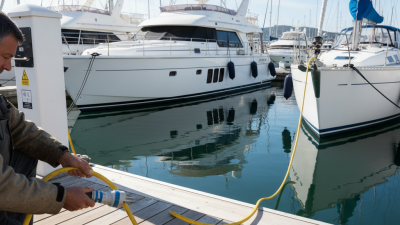
Shipping vessels traditionally relied on heavy fuel for power. However, as regulations tighten, there is a clear shift. The adoption of shore power cables allows vessels to connect to land-based power during docked periods. This transition not only lowers fuel costs but also supports cleaner air initiatives in port cities. Beyond economics, it advances corporate responsibility.
Yet, integrating shore power cables is not without challenges. Infrastructure can vary significantly by port. Some facilities may lack the necessary equipment for proper connections. Stakeholders in the shipping industry must carefully assess their capabilities. Embracing shore power cables underscores a commitment to sustainability, but it requires collective action and investment in modernizing port infrastructure. Reflecting on these aspects can lead to more informed choices in the future.
Advantages of Using Shore Power Cable in Maritime Operations
Shore power cables are transforming maritime operations. These cables allow ships to connect to onshore electrical supplies. This reduces reliance on onboard generators. Consequently, it minimizes fuel consumption and lowers emissions.
One significant advantage of shore power is cost savings. Using onshore power can significantly reduce fuel expenses. Additionally, it decreases maintenance costs for onboard generators. Ships can dock at ports with the knowledge they are environmentally responsible. However, not all ports are equipped for shore power. This leaves some vessels without an alternative.
Another key benefit is improved air quality. By utilizing shore power, vessels emit fewer pollutants. Ports become quieter and cleaner, enhancing the surrounding community's health. Despite these benefits, challenges remain. The initial investment for shore power infrastructure can be high. Ports need to consider both costs and long-term benefits. Adapting to this newer technology can be difficult for some ports. Optimization of infrastructure remains a topic for future reflection.
Environmental Benefits of Shore Power in Reducing Emissions
Shore power technology offers significant reductions in ship emissions. By using shore power cables, ships can plug into land-based energy sources while docked. This practice minimizes the use of onboard diesel generators, which are major contributors to harmful emissions. The result is a notable decrease in air pollutants, including nitrogen oxides and particulate matter.
Different ports are adopting shore power solutions to combat environmental challenges. Cities with high traffic from ships often see improved air quality. However, not all ports are equipped with the necessary infrastructure. Some ship operators express concerns about the costs of installation and maintenance. The transition may not be swift, but the environmental benefits are compelling.
Emissions from ships cause long-term damage to ecosystems. These harmful substances impact human health and marine life. Shore power can help mitigate these effects significantly. Awareness and investment in this technology are crucial for future sustainability in shipping. Operators must weigh the immediate costs against long-term environmental gains. Providing cleaner energy options is vital for combating climate change. The effort to adopt shore power could redefine the shipping landscape.
Economic Impact: Cost Savings Associated with Shore Power Systems
Shore power systems offer significant economic advantages for shipping operations. Transitioning to these systems can result in notable cost savings. According to recent industry research, ports that adopted shore power experienced a reduction in fuel costs by up to 30%. This is largely due to decreased reliance on diesel generators while at berth.
The operating expenses associated with shore power also include fewer emissions penalties. As global shipping regulations tighten, companies face added costs for emissions compliance. By utilizing shore power, fleets can cut these expenses significantly. A study indicates that vessels can save approximately $1 million per year on average by switching to shore power, considering fuel, maintenance, and compliance costs.
Investments in shore power infrastructure may seem high initially, yet they provide long-term savings. The initial setup can recover costs within a few years due to lower operational expenses. Additionally, the shift to cleaner energy aligns with sustainability goals, making it an appealing option. Challenges do exist; some ports lack required infrastructure. Nevertheless, the potential savings are compelling. Shipping companies must weigh the benefits against initial costs and consider long-term financial strategies.
Why Choose Shore Power Cable for Your Shipping Needs? - Economic Impact: Cost Savings Associated with Shore Power Systems
| Aspect |
Description |
Estimated Savings ($) |
Environmental Impact |
| Fuel Costs |
Reduction in fuel consumption by using shore power |
10,000 |
Lower emissions from reduced fuel usage |
| Maintenance Costs |
Decrease in maintenance frequency due to less engine use |
5,000 |
Less wear and tear on engines |
| Port Fees |
Potential reductions in port fees for using onshore power |
2,000 |
Fewer emissions contribute to cleaner port areas |
| Compliance Costs |
Lower costs associated with emission compliance |
8,000 |
Better compliance with environmental regulations |
Regulatory Compliance: Meeting International Maritime Standards with Shore Power
Shore power cables play a crucial role in international maritime operations. They allow vessels to connect to the electrical grid while docked. This reduces reliance on onboard generators, leading to significant emissions reductions. Compliance with international maritime standards is essential for shipping companies aiming to improve sustainability practices.
Regulatory bodies mandate strict guidelines on emissions and energy use in port areas. Using shore power can help ships meet these requirements, promoting cleaner air and reducing noise pollution in urban port environments. However, some companies are slow to adopt this technology due to initial costs or lack of infrastructure.
Shore power systems require robust design and installation to ensure safety and reliability. If improperly implemented, they can expose ships to electrical faults or safety hazards. Regular inspections and maintenance are necessary for compliance and operational integrity. Ultimately, investing in shore power technology aligns companies with both regulatory standards and environmental goals.
Technical Considerations for Selecting the Right Shore Power Cable
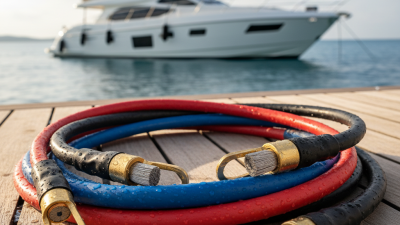
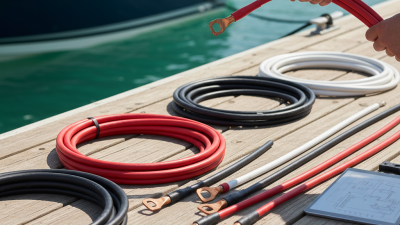
When selecting a shore power cable, technical considerations play a crucial role. The cable’s ampacity must match the power demands of your vessel. Insulation type is another vital factor. Cables should withstand harsh marine conditions, including saltwater exposure and extreme temperatures. Choosing the wrong insulation could lead to failure.
Another critical aspect is the cable length. Longer cables can experience voltage drop, affecting performance. A careful calculation of the distance is necessary to ensure efficiency. Look for cables that meet industry standards to guarantee safety and reliability.
While many options exist, understanding your specific needs is essential. Engaging with industry experts can provide invaluable insights. Make sure to consider your ship's electrical system requirements. Balancing cost against performance is not straightforward. Each decision carries consequences that could impact operations significantly.