A partner you can trust
Choosing an electric cable supplier is not simply a price comparison. It is a risk assessment involving safety, performance, documentation, and long-term service.
This guide examines ten electric cable suppliers serving global buyers. The evaluation considers manufacturing experience, product range, insulation quality, conductor materials, testing capacity, certifications, and export support. A reliable supplier should provide clear technical data, batch traceability, and test reports that customers can verify. Factory audits also matter. A polished website proves very little.
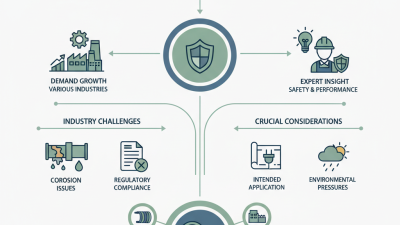
IEC Secretary-General Philippe Metzger has emphasized that “International Standards ensure that products work safely and reliably together.” This principle is highly relevant to cable sourcing. Standards such as IEC, UL, and national requirements help buyers compare products across different markets. However, certification alone does not guarantee perfect performance. Installation conditions, voltage levels, temperature, bending radius, and environmental exposure can change the result.
The suppliers discussed here represent different strengths. Some focus on high-voltage transmission cables. Others specialize in building wire, renewable-energy cables, marine products, or customized industrial designs. Their capabilities are not identical. That matters.
A dependable buying decision should connect the cable design with its real application. A solar project needs ultraviolet resistance. An underground network needs moisture protection. A factory may need flexible, flame-retardant construction. Small details become expensive failures when ignored.
No ranking is flawless. Market conditions change, and supplier performance can vary by region, project size, and contract terms. Therefore, this list is a practical starting point, not a substitute for technical review, sample testing, and documented due diligence.

For global buyers, a reliable electric cable supplier proves performance before discussing price. The supplier should provide clear conductor data, insulation materials, voltage ratings, and temperature limits. Independent test reports should match the exact cable construction, not a similar sample. Ask for proof. Factory quality plans should cover incoming materials, production checks, and final electrical testing. Traceable batch numbers make problems easier to investigate.
Practical experience
in international procurement shows that complete documentation can prevent costly delays. A capable supplier shares packing lists, inspection records, certificates, and shipping dimensions without repeated reminders. Communication matters too. Engineers should answer technical questions accurately and explain limitations in plain language. Capacity deserves careful checking. A factory may accept a large order, yet struggle with copper allocation, custom lengths, or changing delivery windows. Request a production schedule and a realistic contingency plan.
Reliable supply also includes after-sales responsibility. Contracts should define inspection methods, defect handling, replacement terms, and response times. Samples should be tested under expected conditions, including bending, moisture, heat, or mechanical stress where relevant. However, no supplier is perfect. A missed update or delayed document can still occur. What matters is whether the supplier reports the issue early and corrects the process. Buyers should review references, audit evidence, and recent performance rather than trusting polished presentations. That gap matters.
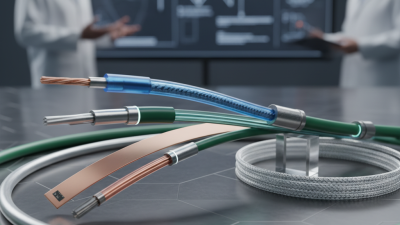
International cable buyers should match cable construction to the application, not simply compare prices. Low-voltage cables suit buildings, lighting, and short industrial runs. Medium- and high-voltage cables support substations, utility networks, and renewable-energy connections. Control and instrumentation cables carry precise signals around motors, sensors, and production equipment. Fiber-optic cables serve data centers and industrial communication, especially where electromagnetic interference is severe.
The International Energy Agency’s Electricity 2024 report projects global electricity demand growth of about 4% annually through 2026. That expansion increases demand for grid, solar, wind, and data infrastructure cables. The IEA’s Renewables 2024 report also expects renewable capacity to expand by nearly 5,500 gigawatts between 2024 and 2030. Solar farms need durable DC cables, weather-resistant AC cables, and carefully designed medium-voltage collection systems. Offshore wind projects require specialized submarine cables. They face saltwater, movement, and difficult repairs.
Procurement teams should verify conductor size, insulation temperature, voltage rating, bending radius, fire performance, and testing records. Local requirements may reference IEC, BS, UL, or national standards. Certification details matter.
A cheap cable can become expensive underground.
Cross-border shipments also need clear markings, traceability, and consistent length tolerances. In my view, supplier rankings can mislead when they ignore installation conditions. A cable suitable for a dry factory may fail in coastal soil or extreme cold. Even a strong datasheet cannot replace sample testing, factory inspection, and an application-specific technical review.
10 Best Electric Cable Suppliers for Global Buyers
How to Evaluate Quality, Safety Standards, and Certifications
Choosing an electric cable supplier requires more than comparing prices. Inspect the conductor material, insulation thickness, surface finish, and printed markings. Copper should show consistent color and resistance readings. The jacket should remain smooth, without cracks, bubbles, or uneven sections. Ask for production samples before placing a large order. Small defects can become serious failures inside walls, factories, or outdoor equipment.
Safety compliance deserves careful verification. Check whether the cable matches the destination market’s required standards, voltage rating, temperature range, and fire performance. Request current test reports, certificates, factory inspection records, and traceable certificate numbers. Confirm that each document covers the exact cable model, not a similar product. An unfamiliar testing body is not automatically unreliable, but its accreditation should be independently confirmed.
I once trusted a certificate that looked complete. The document covered an older construction. That mistake taught me to compare every detail. Ask suppliers about conductor resistance, insulation aging, flame tests, and batch inspection procedures. Reliable suppliers explain their testing process clearly and accept reasonable audits. They should also provide consistent packaging, labels, and shipment records. Still, paperwork is not perfect proof. Independent testing may reveal differences between a certified sample and current production. Check twice. Safety depends on evidence, not confidence.
Global buyers often judge electric cable suppliers by more than production volume.
The strongest suppliers combine tested materials, stable factory controls, and reliable export experience. They serve construction, renewable energy, transport, and industrial projects across several regions. Their market strength usually comes from broad product ranges, flexible voltage options, and documented quality procedures. Copper purity matters. Insulation consistency matters more than many buyers expect.
Leading suppliers also understand local installation conditions. They offer cables for humid ports, high-temperature sites, underground routes, and crowded urban networks. Experienced technical teams can review drawings, recommend conductor sizes, and explain fire-performance requirements. Clear test reports build trust. So do traceable batch numbers, practical packaging, and responsive after-sales support. A strong supplier should communicate shipment risks before they become expensive delays.
Price still influences purchasing decisions, but it should not control the entire evaluation. A low quotation may hide shorter service life, weak documentation, or difficult replacement procedures. Buyers should compare testing capacity, delivery records, warranty terms, and production scalability. Some suppliers look impressive during audits but struggle with urgent changes. That weakness deserves attention. Market leadership is not permanent; energy standards, logistics costs, and material prices keep changing. The best partners remain transparent when specifications shift, even when the answer is inconvenient.
Choosing among the 10 best electric cable suppliers requires more than comparing prices. An international supplier should provide clear technical data, factory experience, and reliable production records. Request conductor material, insulation type, voltage rating, temperature range, and applicable test standards. A serious supplier can explain these details without avoiding difficult questions.
I once reviewed a cable sample that looked excellent but lacked complete batch records. That small gap created uncertainty during installation planning. Ask for test reports, material traceability, inspection photos, and sample approval procedures. Check whether the supplier can maintain quality across repeated orders, not only one successful shipment. Certifications matter, but outdated certificates prove little. Confirm issuing bodies, validity dates, and product scope.
Tips: Compare total landed cost, not just the quoted cable price. Include packaging, freight, insurance, duties, and possible testing fees. Check minimum order quantities and realistic lead times. Ask how delays are communicated. Review payment terms, warranty limits, replacement procedures, and after-sales support. A supplier should answer within a practical timeframe. Request a small trial order when possible. It may reveal packing weaknesses, labeling errors, or inconsistent cable markings. Also examine production capacity during peak seasons. No checklist is perfect. Your comparison should reflect the project’s voltage, environment, installation method, and risk tolerance.
A practical supplier-screening factor is whether the manufacturer can produce cables for the voltage class required by the project. This chart shows representative upper voltage coverage defined by widely used IEC cable standards, expressed in kilovolts.
Reference standards: IEC 60227, IEC 60502-1, IEC 60502-2, IEC 60840, and IEC 62067. Actual cable selection must also verify conductor size, insulation system, installation conditions, testing certificates, and local regulatory requirements.
This content is restricted to site members. If you are an existing user, please log in. New users may register … LEARN MORE “Lighting Power & Control-Signal Cable”
We are here to help. You can contact us or create an account online to have access to special products, technical specifications and our new online quote tool.
ELECTRO CABLES
9 Riverside Drive
P.O. Box 276
Trenton, Ontario
CANADA K8V 5R5
N.A. Toll Free: 888-ELECTRO
(1-888-353-2876)
World: 613-394-4896
Fax: 613-394-4101
Email: sale@machinecables.com
We manufacture cables that are certified by the Canadian Standards Association (CSA), listed by Underwriters Laboratories and/or listed by Intertek (ETL).
Our quality management system is registered to ISO 9001: 2015. Our team is dedicated to consistently providing quality service and products to our customers.

© 2025 ELECTRO CABLES • SITE BY SNAP 360•