Electro Cables
Login

What Are the Top Electrical Cable Connectors?

Choosing the right electrical cable connectors is not a minor detail. It affects safety, signal quality, maintenance, and the service life of an entire electrical system. A connector may look simple, yet its performance depends on conductor size, insulation type, current load, vibration, moisture, and installation technique.

Electrical engineer and wiring educator Rex Cauldwell has repeatedly stressed a practical principle: “A good electrical connection is both mechanically and electrically sound.” That idea guides this article. The strongest connector is not always the most expensive one. It is the connector that matches the cable, environment, and application.

This guide examines common electrical cable connectors, including twist-on wire connectors, crimp terminals, terminal blocks, lever connectors, compression fittings, and waterproof options. We will consider their strengths, limitations, and typical uses. A crimp connector may work well inside a dry control panel, but fail when poorly compressed or exposed to water. A compact lever connector can save installation time, yet it still requires correct stripping and conductor placement.

Small details matter.

Look for clear markings, suitable temperature ratings, secure strain relief, and recognized testing approvals. UL and IEC references can support better purchasing decisions, but labels alone cannot replace careful installation. Even experienced technicians make assumptions. I have found that the most useful comparison includes room for doubt, because a neat connection can still conceal corrosion, looseness, or an incorrect cable match. The sections ahead aim to make that inspection easier and more reliable.
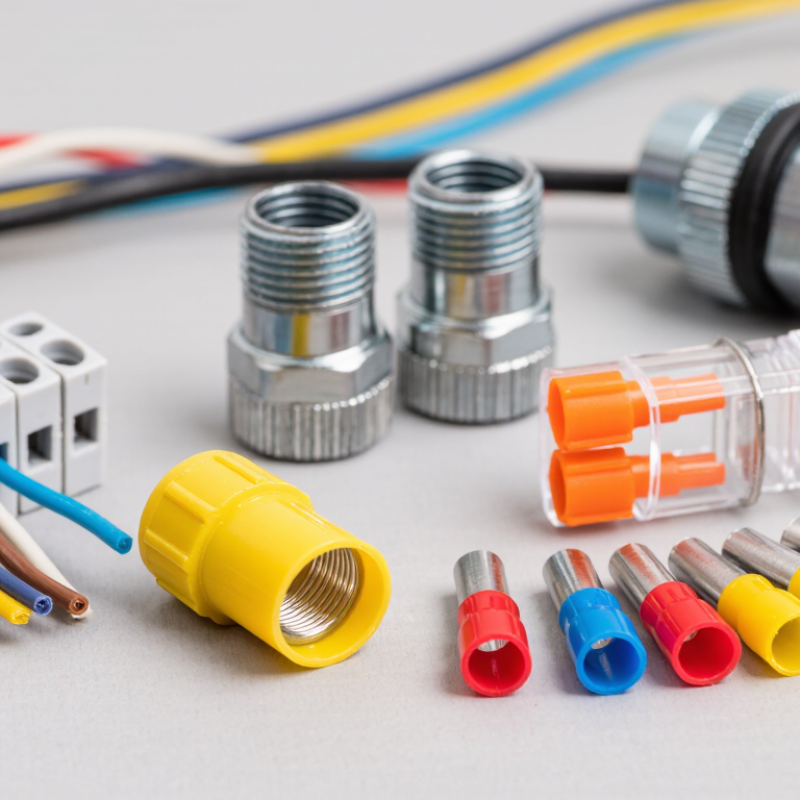
What Are the Top Electrical Cable Connectors?

What Electrical Cable Connectors Are and How They Work

Electrical cable connectors join conductors while maintaining a stable path for current. Their basic job sounds simple, but contact pressure, insulation, and heat control determine whether the connection remains safe. Crimp connectors compress a metal barrel around the conductor. Screw terminals use clamping force. Push-in connectors rely on spring pressure. Compression connectors create a tighter mechanical and electrical bond.

Connector choice depends on cable size, conductor material, vibration, moisture, and expected load. For outdoor circuits, sealed compression or waterproof connectors reduce moisture entry. For control cabinets, screw or spring terminals allow organized, repeatable wiring. IEC 60999-1 emphasizes secure clamping and suitable conductor compatibility. The NFPA 70 National Electrical Code also requires connections to be made with listed equipment and proper installation methods. Small details matter. A loose strand can raise resistance and create localized heating.

The IEA’s Electricity 2024 report projects global electricity demand to grow by an average 3.3% annually from 2024 through 2026. More distributed equipment means more connection points to inspect. In practical field work, technicians often check torque, exposed copper, strain relief, and corrosion before energizing a circuit. A connector may look perfect and still fail under vibration. That is the uncomfortable part. Installation quality often matters more than connector appearance. Heat cycles, bending, and dust deserve attention too. Mistakes happen, especially when cable sizes are read too quickly. A second inspection is rarely wasted.

What Are the Top Electrical Cable Connectors?

Common connector types differ in contact count, locking method, and typical use. The chart compares the standardized number of contacts or pins for widely used cable connectors.

Contact count does not define a connector’s electrical capacity. Voltage, current, shielding, cable size, and environmental protection depend on the specific connector specification and application.

How Electrical Cable Connectors Are Classified by Design

Electrical cable connectors are commonly classified by how they join conductors. Crimp connectors use controlled pressure to form a tight mechanical bond. They work well in vehicles, control cabinets, and vibration-prone equipment. A proper crimp leaves no exposed strands. It should also resist a gentle pull.

Screw and clamp connectors hold conductors beneath a plate or spring mechanism. They are useful where technicians may need to disconnect wires during maintenance.

Push-in connectors offer faster installation, but the conductor must reach the correct insertion depth. Soldered connectors create a stable electrical path, yet they require heat control and careful insulation.

Excessive heat can damage nearby cable jackets. Small errors matter.

Some connectors pierce insulation with metal contacts. These insulation-displacement designs save time in organized wiring systems. Circular connectors often add shells, seals, and locking features for moisture, dust, or repeated movement.

Design classification also includes contact arrangement, locking method, and sealing structure. Not every connector suits every cable. A connector rated for solid wire may perform poorly with fine-stranded wire.

Check conductor size, insulation diameter, current, voltage, and temperature ratings.

Field technicians often inspect the finished joint under bright light. A clean appearance is helpful, but it is not proof of reliability. Even experienced installers occasionally choose convenience over long-term serviceability. That choice deserves a second look.

Which Connector Types Are Most Commonly Used

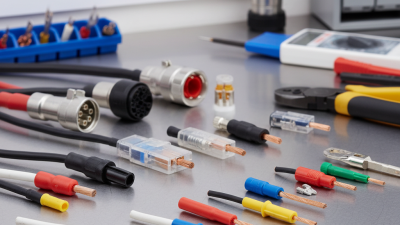
Electrical cable connectors vary by application, but several types appear repeatedly in homes, factories, vehicles, and construction sites. Crimp terminals remain common because they create compact, vibration-resistant joints when correctly compressed. Terminal blocks suit control panels and distribution cabinets, where technicians need visible, serviceable connections. Twist-on connectors are still used in many building installations, although spring-based push-in connectors are gaining attention for faster assembly.

A 2024 Grand View Research report estimated the global electrical connectors market at more than USD 80 billion, with continued growth through 2030. The report links demand to industrial automation, renewable energy, and expanding data infrastructure. That growth does not make every connector suitable everywhere.

Ring and fork terminals work well under screw heads.

Waterproof inline connectors protect outdoor cable joins.

Modular connectors support repeated maintenance, but their extra parts can create failure points.

Small detail, big consequence.

Tips:

Match connector ratings to voltage, current, conductor size, temperature, and vibration. Check the manufacturer’s crimp dimensions and pull-test guidance. For outdoor work, verify the IP rating; IP67 usually indicates protection against dust and temporary water immersion. Never judge quality by appearance alone. A shiny terminal may still have a weak crimp. Field experience shows that rushed stripping often damages strands, yet inspection routines remain inconsistent. That is an area worth improving.

How to Choose the Right Connector for Each Application

What Are the Top Electrical Cable Connectors?

How to Choose the Right Connector for Each Application

Choosing an electrical cable connector starts with the application, not the connector’s appearance. Check the cable size, conductor material, operating voltage, current, and installation space. A connector rated for a small control circuit may fail under motor-starting loads. Always compare its current rating with the real operating conditions, not only the equipment label.

Environment matters just as much. Outdoor junctions may face rain, dust, sunlight, and temperature changes. Select suitable sealing protection and verify that the housing material resists corrosion. In vibrating machinery, a connector with a secure locking mechanism can prevent intermittent faults. For high-temperature areas, inspect the connector’s temperature range and insulation material carefully.

Installation quality is equally important. Strip only the required insulation length. Loose strands, uneven crimping, or excessive tightening can create heat at the connection. Use the correct crimping tool, then perform a gentle pull test. It is a simple check.

Connector types also serve different needs. Crimp connectors support fast, compact terminations, while screw terminals allow convenient inspection and retightening. Push-in connectors can save installation time, but they still require compatible conductor sizes. I have seen project teams choose the fastest option and overlook future maintenance. That decision often costs more later. Recheck every assumption before energizing the circuit, and follow the applicable electrical code and manufacturer specifications.

What Are the Top Electrical Cable Connectors? - How to Choose the Right Connector for Each Application
Connector Type Typical Applications Common Conductor Size Typical Current Range Typical Voltage Range Environmental Suitability Main Advantages Important Limitations Best Selection Criteria
Twist-On Wire Connector Indoor branch-circuit splices, lighting connections, and junction-box wiring Solid or stranded conductors, approximately 0.5–6 mm² Usually up to 20–30 A, depending on conductor size and construction Commonly up to 600 V in building-wiring applications Dry indoor locations Low cost, quick installation, compact size, and no special crimping tool required Requires correct wire preparation and tightening; unsuitable for exposed moisture unless specifically listed for that environment Choose when a compact, insulated splice is needed inside an approved enclosure
Lever-Actuated Push-In Connector Residential wiring, lighting circuits, control panels, and maintenance work Solid, stranded, or flexible conductors, approximately 0.2–6 mm² Commonly 20–32 A, depending on the model and conductor size Commonly 300–600 V Indoor; some versions for protected damp areas Fast tool-free installation, easy inspection, and convenient reconnection Physical space may be greater than a twist-on connector; the conductor must be fully inserted and secured Choose for fast, serviceable connections with mixed conductor types
Crimp Butt Connector Automotive harnesses, appliance wiring, control wiring, and cable repairs Approximately 0.5–6 mm², with size matched to the wire Typically 10–30 A, depending on the terminal and conductor size Commonly 300–600 V Indoor; sealed versions for vibration and moisture Strong mechanical joint, compact profile, and good resistance to vibration when correctly crimped Requires the correct crimping tool and die; a poor crimp can create high resistance and heat Choose for permanent in-line splices exposed to movement or vibration
Insulated Ring Terminal Battery leads, grounding points, control cabinets, and screw-terminal connections Approximately 0.5–16 mm², depending on terminal size Typically 10–100 A in low-voltage systems, depending on the terminal and cable Commonly up to 600 V Indoor and protected outdoor locations Cannot slip off a properly tightened stud, provides a reliable bolted connection, and is easy to inspect Needs an accessible stud or screw; incorrect crimping or loose hardware can cause overheating Choose when maximum retention is required at a stud or threaded terminal
Fork or Spade Terminal Control panels, relays, switches, instrumentation, and removable screw terminals Approximately 0.5–6 mm² Typically 10–30 A Commonly up to 600 V Dry indoor and protected equipment locations Fast installation and removal without completely removing the terminal screw More vulnerable to pulling out than a ring terminal if the screw loosens or the connection is misaligned Choose when frequent servicing is needed and the terminal hardware supports a fork shape
Bullet Connector Low-voltage automotive wiring, battery packs, robotics, and removable equipment leads Approximately 0.5–6 mm² Typically 10–50 A, depending on contact diameter and construction Commonly 12–60 V DC Indoor; sealed versions for outdoor or mobile equipment Quick disconnect, low contact resistance, and useful for repeated equipment removal Not normally intended for high-voltage building circuits; exposed versions need protection against short circuits Choose for low-voltage DC systems requiring frequent disconnection
Waterproof Inline Connector Outdoor lighting, irrigation controls, marine equipment, sensors, and exposed low-voltage cabling Approximately 0.2–6 mm² Typically 5–30 A Commonly 12–600 V, depending on construction and certification Outdoor, wet, dusty, and washdown areas Protects the connection from moisture, dust, corrosion, and accidental contact Usually larger and more expensive; sealing depends on correct cable diameter and assembly Choose when the connection is exposed to rain, condensation, soil, or washdown conditions
Terminal Block Distribution panels, industrial control cabinets, HVAC systems, and organized multi-wire circuits Approximately 0.5–35 mm², depending on the block size Typically 10–125 A Commonly 300–1,000 V, depending on the design Indoor control cabinets; specialized versions for harsher areas Clear organization, easy testing, modular expansion, and good separation between circuits Requires mounting space and proper torque; exposed blocks need an enclosure and finger-safe protection Choose for structured, serviceable connections with multiple circuits
Barrier Strip Power supplies, industrial equipment, audio systems, and low-to-medium power distribution Approximately 0.5–16 mm² Typically 10–50 A Commonly 150–600 V Indoor equipment and protected enclosures Provides visible circuit separation, straightforward screw termination, and flexible wire routing Open screw terminals can loosen under vibration and require protection from accidental contact Choose when a visible, low-cost connection strip is suitable inside an enclosure
Compression Lug Battery banks, switchgear, grounding systems, motors, and large power cables Approximately 6–240 mm² or larger, depending on the lug design Typically 50–500 A or more when correctly selected and installed Commonly up to 1,000 V Industrial, commercial, and outdoor systems with suitable protection Very low resistance, high mechanical strength, and excellent suitability for high-current conductors Requires a matched crimping die or hydraulic tool; installation quality is critical Choose for large conductors, high current, and permanent bolted connections
Insulation-Piercing Connector Telecommunications, street lighting, aerial bundled cables, and selected utility connections Commonly used with approximately 1.5–150 mm² conductors, depending on the model Typically 10–200 A, depending on the conductor and connector design Commonly up to 1,000 V Outdoor utility and weather-exposed systems Can connect without fully stripping the insulation and may reduce installation time Must be specifically rated for the cable type; incorrect tightening can damage the conductor or compromise sealing Choose only when the connector is certified for the cable construction and outdoor conditions

Selection values are typical industry ranges rather than universal ratings. Always verify the connector’s certification, conductor compatibility, temperature rating, enclosure requirements, installation method, and local electrical code before use.

How to Install and Maintain Cable Connectors Safely

What Are the Top Electrical Cable Connectors?

Cable connectors differ by application, conductor type, and environmental exposure. Screw terminals suit fixed indoor wiring, while crimp connectors provide strong mechanical support in control panels. Lever connectors allow quick, tool-free joining of compatible conductors. Compression connectors and waterproof glands are better for damp areas. The connector must match the cable size, current rating, insulation, and temperature range. A connector that fits physically may still be electrically unsafe.

How to Install and Maintain Cable Connectors Safely

Disconnect the circuit before installation. Then verify the absence of voltage with a tested meter, not only a switch position. Wear suitable eye protection and insulated gloves when the risk assessment requires them. Strip insulation to the manufacturer’s specified length, avoiding nicked copper strands. Insert each conductor fully and tighten screws to the stated torque. Loose joints can create heat, discoloration, and eventually failure. In my experience, rushed stripping causes more trouble than complicated wiring. I still recheck it.

Tips: Keep connectors dry and clean. Label cables before disconnecting them. Inspect for cracked housings, corrosion, loose strands, or heat marks during maintenance. Gently tug each conductor after installation. Do not reuse damaged crimp terminals. Use a qualified electrician for unfamiliar circuits, high-current systems, or work inside service equipment. Record inspection dates and any unusual smell, warmth, or buzzing. Small signs matter. A connector may look normal while its internal contact is already weakening.

Lighting Power & Control-Signal Cable

This content is restricted to site members. If you are an existing user, please log in. New users may register … LEARN MORE “Lighting Power & Control-Signal Cable”