A partner you can trust
Choosing the right electric cable in 2026 is a practical decision, not a catalog exercise. A cable must suit its load, installation environment, and expected service life. A conductor sized for a cool, open tray may behave differently inside a crowded conduit or near a hot motor. Small details matter.
The International Energy Agency’s Electricity 2024 report projects global electricity demand will grow by an average of 3.4% annually from 2024 to 2026. That expanding demand makes sound cable selection more important, but it does not mean every project needs a larger cable. Fatih Birol, the IEA’s Executive Director, described the shift this way: “The Age of Electricity is here.” His words capture the wider trend; the engineering choice still depends on the job.
This guide will help readers compare conductor material, cross-sectional area, insulation, voltage rating, and installation conditions. It will also explain why temperature, grouping, voltage drop, and local standards can change a seemingly simple choice. A cable label alone is not enough. Check the technical datasheet and consult a qualified electrical professional when the design is uncertain. One caution: demand forecasts describe the energy system, not the right specification for an individual installation. That distinction is easy to miss.
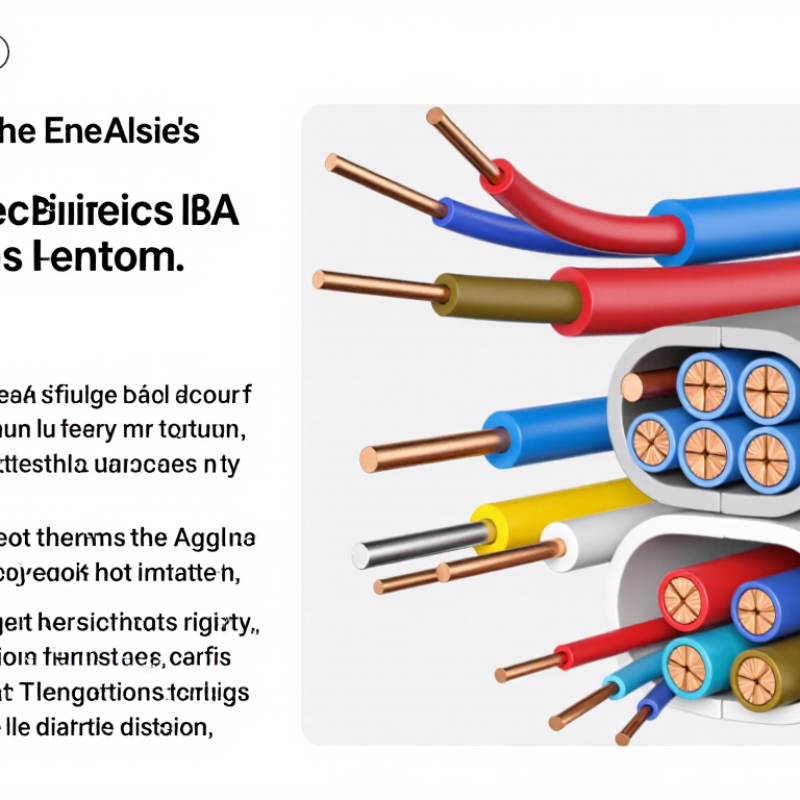
Start with what the cable must do. A lighting circuit, a motor connection, and a data system place different demands on conductors. Note the expected voltage, current, load duration, and whether the cable will move during use. For example, a cable feeding a pump that starts often may face more stress than one powering a steady indoor light.
Then look closely at the route. Will the cable run through a warm ceiling, a damp utility room, or outdoors in direct sunlight? Heat can reduce a cable’s safe current capacity, while moisture, oils, or cleaning chemicals may damage unsuitable insulation. A cable in a moving machine also needs flexibility and protection from repeated bending. Small details count. A sharp metal edge near the route can cause trouble over time.
Match the cable’s construction and rating to these real conditions, not just its appearance or price. Check the manufacturer’s technical data for conductor size, insulation type, temperature range, and permitted installation method. I have seen planning focus on the appliance while overlooking the route itself; that is an easy mistake to make. This checklist is useful, but it cannot replace a qualified assessment when loads, surroundings, or installation details are uncertain.
How to Choose the Right Electric Cable in 2026?
Calculate Voltage, Current, and Load Requirements
Start with the actual load, not the appliance’s largest advertised number. For a 2,400-watt, single-phase heater on 230 volts, current is about 10.4 amps. Motors need more careful calculation: divide power by voltage, power factor, and efficiency. For three-phase loads, use √3 × line voltage in the denominator. Check the equipment nameplate and expected duty cycle; a motor starting under load can briefly draw much more current. Small details matter.
Next, check the cable’s current capacity and voltage drop. IEC 60287 sets out methods for calculating cable current ratings, while IEC 60364-5-52 addresses wiring-system selection and installation conditions. These standards reflect a key practical point: the same cable may carry different current when buried, enclosed in insulation, grouped with other cables, or exposed to heat. Measure the route length, too. A long run can cause voltage drop even when the cable’s current rating appears adequate. Heat changes everything.
For a first-pass check, estimate voltage drop using the conductor material, cross-sectional area, current, and one-way route length; the final method depends on circuit type and installation. Then compare the result with the equipment’s permitted limits and apply relevant correction factors. A neat spreadsheet can still miss a hot roof space or a tightly packed conduit. I have seen estimates look reassuring until the real route was measured. Have a qualified electrician verify the final selection against the installation conditions and applicable standards.
Estimated voltage drop for a 230 V single-phase copper circuit carrying 20 A over a 30 m one-way cable run.
How to read this chart: The 20 A load is equivalent to about 4.6 kW at 230 V for a resistive load. Voltage drop is estimated using conductor resistance at 20°C and a 60 m circuit path (30 m out and back). The 3% line is an illustrative design target, not a universal code requirement. Cable selection must also account for current-carrying capacity, installation method, ambient temperature, and applicable local regulations.
Choosing an electric cable starts with the conductor and the conditions around it. Copper carries more current for a given cross-section, while aluminum is lighter and often needs a larger size for equivalent performance. Check terminal compatibility, cable length, voltage drop, fault current, and installation method before comparing prices. Small details matter. A cable in a warm, crowded tray may need a different rating from one buried in cool soil.
The International Energy Agency’s Electricity Grids and Secure Energy Transitions report estimates that 80 million kilometres of grid must be added or replaced by 2040. That scale makes careful sizing important, but it does not provide a shortcut for individual projects. IEC 60287 offers a framework for calculating cable current ratings, including heat and installation conditions. Use project-specific calculations, not a rule of thumb alone. I would still verify the assumptions: ambient temperature and grouping are easy to overlook.
Insulation should match the cable’s voltage and its real environment. Moisture, oils, sunlight, heat, and mechanical wear can all change the suitable type. For example, a cable passing through a damp outdoor route needs different protection from one inside a dry control cabinet. Check applicable standards and manufacturer test data, and have a qualified electrical professional confirm the selection. The neatest spreadsheet can still miss a rough cable route.
Cable choice starts with the installation, not just the appliance. Check the circuit voltage, expected load, and cable route. A cable passing through a warm ceiling cavity may need different protection from one clipped along a cool, dry wall. Confirm conductor size, insulation temperature rating, and permitted installation method against the rules adopted in your location for 2026. Requirements can differ by region and project type.
Tips: Read the cable markings before purchase. Check the required circuit protection, moisture exposure, heat, and risk of physical damage. For example, a cable near a garage doorway may need protection from knocks. Keep the product documentation; it helps verify ratings later.
Do not assume an older installation meets current requirements. Look for damaged insulation, cramped conduit, or signs of overheating, such as discoloration near a connection. I have seen small details change a cable decision, and they are easy to overlook. If the route, load, or local rules are unclear, ask a licensed electrician to verify the design before installation. Use the applicable local code and manufacturer instructions, not a generic online chart.
Choose cable for its actual environment, not the catalogue photo. A damp plant room, a sunlit roof, and a vibrating machine stress insulation differently. Check conductor material, temperature rating, moisture and UV resistance, bend radius, and expected flexing. Copper can suit compact terminations; aluminum can reduce weight but requires compatible connectors and careful installation. Details matter.
Availability deserves equal weight. The IEA’s Global Critical Minerals Outlook 2024 projects a roughly 30% copper supply shortfall by 2035 if announced projects are the basis. USGS Mineral Commodity Summaries 2025 puts U.S. net import reliance for copper at about 45% in 2024. These figures do not predict a local shortage, but they make stock checks worthwhile. Confirm distributor inventory, lead times, and approved alternatives before specifying.
Compare lifecycle cost, not just price per meter. Include installation labor, connectors, replacement access, and energy lost as heat in undersized conductors. A larger cable may cost more upfront but reduce voltage drop and operating losses. Verify calculations for load, route length, ambient temperature, and cable grouping. Forecasts are imperfect. So are tidy spreadsheets. Record assumptions and review them when project conditions or material prices change.
This content is restricted to site members. If you are an existing user, please log in. New users may register … LEARN MORE “Lighting Power & Control-Signal Cable”
We are here to help. You can contact us or create an account online to have access to special products, technical specifications and our new online quote tool.
ELECTRO CABLES
9 Riverside Drive
P.O. Box 276
Trenton, Ontario
CANADA K8V 5R5
N.A. Toll Free: 888-ELECTRO
(1-888-353-2876)
World: 613-394-4896
Fax: 613-394-4101
Email: sale@machinecables.com
We manufacture cables that are certified by the Canadian Standards Association (CSA), listed by Underwriters Laboratories and/or listed by Intertek (ETL).
Our quality management system is registered to ISO 9001: 2015. Our team is dedicated to consistently providing quality service and products to our customers.

© 2025 ELECTRO CABLES • SITE BY SNAP 360•