2026 Top Outdoor Electrical Cable Types for Global Buyers
Outdoor electrical cable selection in 2026 depends on where the cable will run, what it must power, and how it will face weather. A garden lighting circuit, a dockside pump, and a rooftop solar array do not share identical demands. Sunlight, standing water, temperature swings, abrasion, and chemical exposure can each shorten service life. Small details matter.
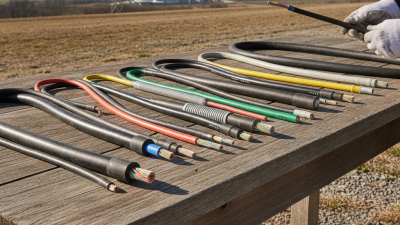
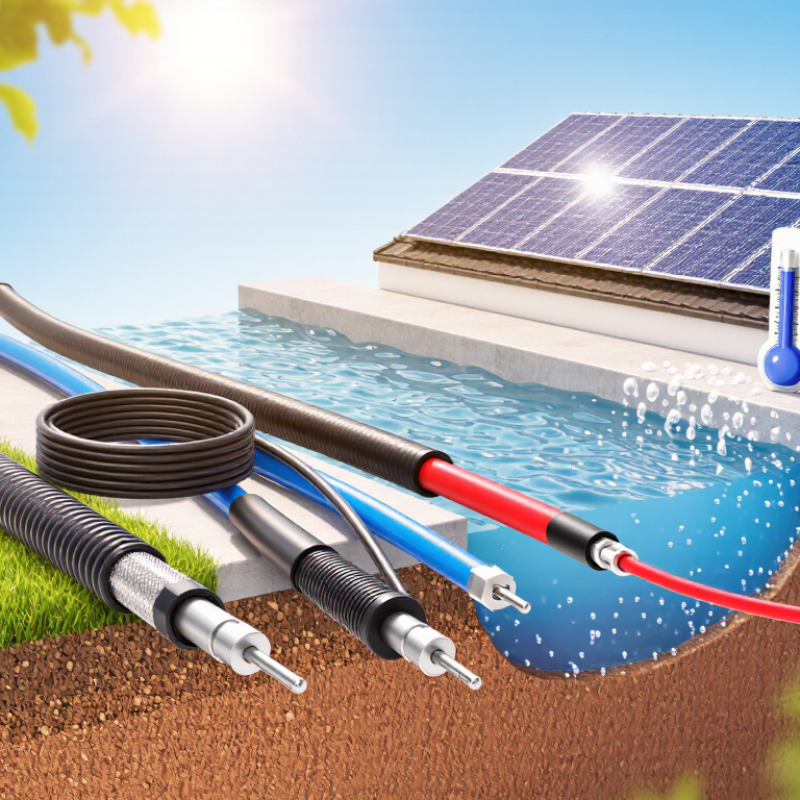
Global buyers encounter several common options, including UV-resistant cables, flexible rubber-sheathed cords, armored cable, and photovoltaic cable. Each serves a different installation context. Armoring can help protect against mechanical damage, while flexible jackets suit equipment that moves. Solar installations require cable designed for photovoltaic use, with connectors and ratings matched to the system. Names alone are not enough.
The right choice starts with the equipment specifications and the conditions at the installation site. Check conductor size, voltage and temperature ratings, jacket material, and compatibility with connectors. Confirm product documentation and traceability with the supplier. Requirements vary by project and location, so qualified electrical professionals should verify the design against applicable local standards before installation. That step is easy to overlook.
This guide compares outdoor electrical cable types for international purchasing teams, installers, and project planners. It highlights practical differences, sourcing questions, and selection checks that can reduce avoidable failures. No cable is universally best. Even a correctly rated product can disappoint if its route, support, or termination is poorly planned. That deserves a second look.
Outdoor Cable Classification by Conductor Type: IEC 60228 Classes 1, 2, 5 and 6
For outdoor cable selection, conductor class matters as much as conductor material. IEC 60228:2023 classifies conductors as Class 1 solid, Class 2 stranded, Class 5 flexible, and Class 6 extra-flexible. Its resistance tables set maximum conductor resistance by nominal cross-sectional area. That is useful when checking voltage drop and comparing cable specifications, but it does not establish resistance to sunlight, moisture, or temperature. Those properties require separate cable-design and test information.
Class 1 suits fixed runs where the cable will not move after installation. Class 2 uses multiple strands, making it practical for fixed outdoor routes that need easier handling. Classes 5 and 6 use finer strands for repeated movement or tight bends, such as at equipment connections. They can be easier to route, but flexibility alone does not make a cable suitable for direct burial or prolonged sun exposure. Check the product’s declared environmental ratings and installation conditions. A detail buyers sometimes miss: “stranded” does not automatically mean “flexible enough.” IEC 60228 defines conductor construction, not the complete outdoor performance of a finished cable.
Common Outdoor Types: UV-Resistant, Direct-Burial, Armored and Aerial Cables
Outdoor cable selection starts with the route, not the label. UV-resistant cable suits exposed runs on walls, rooftops, and equipment racks, where sunlight can crack ordinary insulation over time. Check the cable’s temperature and moisture ratings too. A shaded section may still collect rainwater or heat against a dark surface. Small details matter.
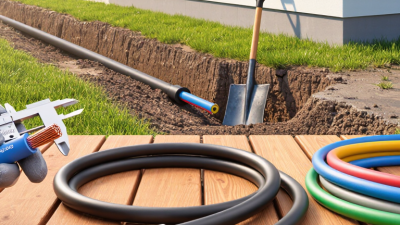
Direct-burial cable is designed for soil contact, but the trench still needs care. Remove sharp stones, follow the specified burial depth, and consider local soil conditions. Damp clay and shifting ground can stress a cable differently from dry, sandy soil. Armored cable adds mechanical protection where impact or rodents are concerns, though its weight can complicate handling and bends. Aerial cable spans open distances between supports. Its messenger or support system must suit the span and expected weather loads; a sagging line is not a minor detail.
These types are not interchangeable. A UV-resistant jacket alone does not make a cable suitable for burial, and armor does not automatically address every outdoor exposure. Read the product markings and installation instructions before purchase. I have seen route plans look tidy on paper, then change when a gate, tree, or drainage channel gets in the way. Leave room to reassess the path. A qualified installer can verify conductor size, protection, and connection methods for the actual site.
Voltage Categories Under IEC 60502: Up to 1 kV, 3 kV and 6–30 kV
2026 Top Outdoor Electrical Cable Types for Global Buyers
Voltage Categories Under IEC 60502: Up to 1 kV, 3 kV and 6–30 kV
Outdoor cable selection starts with the system’s rated voltage, not the jacket color or conductor size. IEC 60502-1 covers power cables rated 1 kV (U₀/U = 0.6/1 kV) and 3 kV (1.8/3 kV). IEC 60502-2 covers cables from 6 kV to 30 kV, including ratings such as 3.6/6 kV and 18/30 kV. These figures describe insulation voltage classes, not a promise that any cable suits every installation. Check the project specification.
For a short outdoor feeder, a 0.6/1 kV cable may be appropriate when the equipment and protection design match. A 3 kV class can serve higher-voltage distribution needs. Medium-voltage routes, such as utility connections or industrial sites, may require a 6–30 kV cable with suitable insulation, screens, and installation design. A wet trench changes the details. So does direct sunlight.
The International Energy Agency’s Electricity 2024 report estimated global electricity demand growth of about 4% in 2024. That broader demand trend does not determine a cable rating; site conditions do. Buyers should verify U₀/U, conductor material, ambient temperature, burial method, and short-circuit duty against IEC 60502 and the project documents. I would still ask for the exact voltage notation. “Up to 1 kV” can hide an important distinction.
Insulation and Sheath Materials: Comparing PVC, XLPE and Rubber
Outdoor cable insulation and sheath materials shape performance in rain, sunlight, heat, and repeated movement. PVC is often selected for general installations because it is economical and resists moisture and many common chemicals. But prolonged sunlight or very low temperatures can make some PVC formulations brittle. Check the cable’s stated temperature range and UV rating; “outdoor” alone tells you too little.
XLPE insulation tolerates higher operating temperatures than many PVC options and can suit fixed runs exposed to sustained heat. Its sheath still matters: insulation performance does not automatically mean strong resistance to abrasion, oils, or sunlight. Rubber-sheathed cables are often more flexible, which helps where equipment moves or cables are handled frequently. That flexibility has a trade-off. Some rubber compounds age faster under ozone or intense sun, so the exact formulation and maintenance conditions matter.
Compare the full construction, not just the insulation label. A cable routed through a wet garden trench faces different stress from one dragged across a workshop floor. Inspect conductor size, voltage rating, sheath material, and the manufacturer’s test data for the intended environment. Even then, product descriptions can leave gaps; confirm suitability with a qualified electrical professional before specifying a cable.
Selection Criteria: Installation Method, Temperature, Water and Mechanical Exposure
Choosing an outdoor electrical cable starts with the route, not the product label. A cable clipped to a sunlit wall faces different stresses from one buried in soil or pulled through a conduit. Check the installation method and the cable’s stated suitability for direct burial, conduit, or exposed runs. “Outdoor rated” alone can be too vague.
Temperature ratings matter at both ends. A cable may sit in direct summer sun, then face freezing nights or heat from nearby equipment. Compare the expected ambient range with the manufacturer’s limits, and account for how installation affects heat dissipation. A tightly packed conduit can retain heat. That detail is easy to overlook.
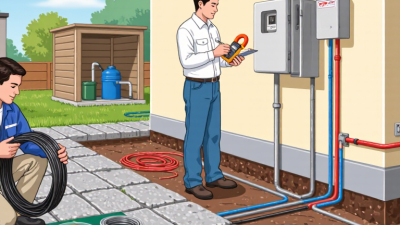
Water exposure is not one condition. Rain, standing water, damp soil, and occasional flooding place different demands on insulation and construction. Mechanical risks matter too: garden tools, vehicle traffic, abrasion at sharp edges, and tension across long spans. Select protection for the actual route, such as suitable conduit or physical barriers where needed. Do not assume a tougher outer jacket solves every hazard. I would also recheck the route after installation; plans rarely show every rough edge or low spot. When conditions are uncertain, confirm the cable specifications and installation requirements with a qualified electrical professional.
2026 Top Outdoor Electrical Cable Types for Global Buyers
Typical maximum conductor temperature ratings for selected cable and wire types in wet locations
The chart shows common 90°C wet-location ratings for these types. Actual permitted use depends on the applicable electrical code, listing, conductor size, installation method, ambient temperature, and termination ratings. Check the product marking and local requirements; temperature rating alone does not establish suitability for burial, sunlight, oil, or mechanical exposure.