Why Choose Metal Clad Cable for Industrial Projects?
Industrial projects rarely give wiring an easy life. Cable may cross a busy production floor, enter a crowded control room, or face vibration, dust, and accidental knocks. In these settings, the wiring method deserves more than a quick price comparison. A metal clad cable combines insulated conductors with a protective metal armor, creating a practical option for many power and control runs. Its armor can help resist physical damage, while its construction supports neat routing through demanding spaces. That protection is useful, but it is not a substitute for correct design or installation.
Electrical educator Mike Holt is known for emphasizing safety and code-based practice. The National Electrical Code expresses that purpose as “the practical safeguarding of persons and property from hazards arising from the use of electricity.” That principle is a useful lens for evaluating cable choices. Project teams should check conductor size, temperature ratings, grounding and bonding requirements, fittings, and the conditions along the entire route. The right answer can change between a dry machine room and a damp service area. Details matter.
This guide examines why metal clad cable is often considered for industrial projects, where it can offer practical advantages, and what its limits are. It also looks at selection and installation questions that deserve careful review. One caution belongs up front: “metal clad” does not mean damage-proof. A scraped jacket, poor connector, or rushed routing decision can still create trouble. The cable may be robust. The decision still needs judgment.
What Metal-Clad Cable Is and How It Is Built
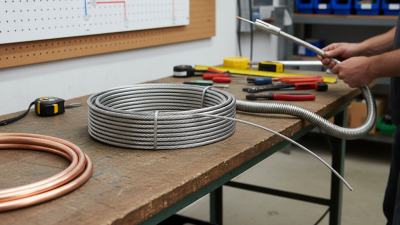
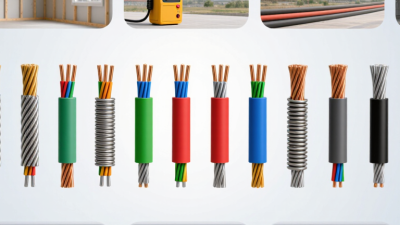
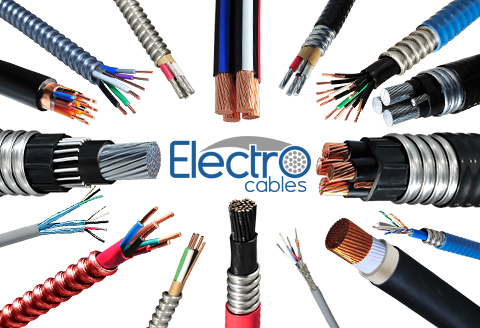
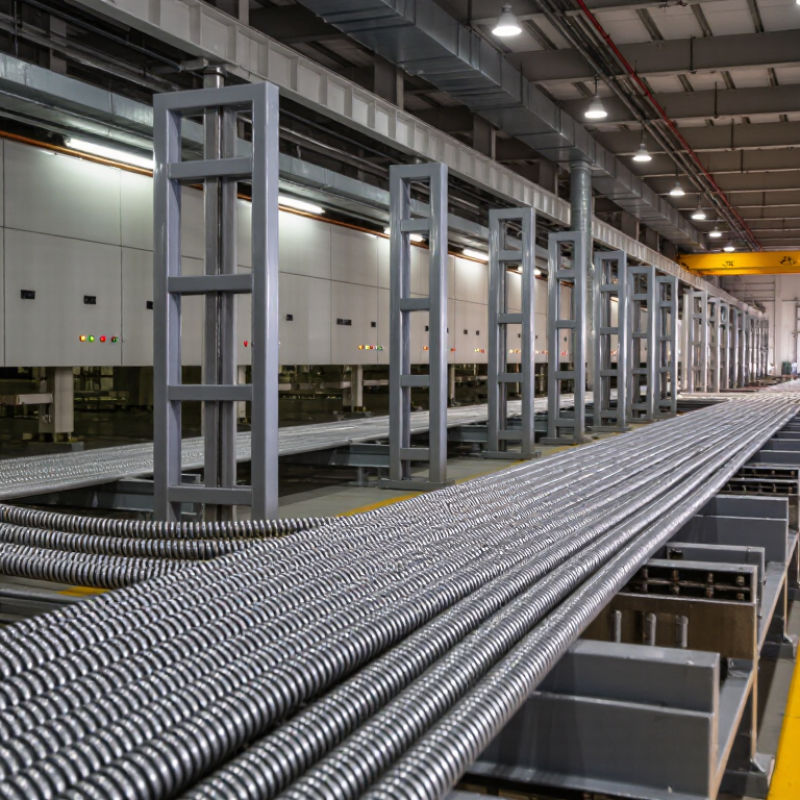
Metal-clad (MC) cable is a factory-assembled electrical cable protected by a metal armor layer. Inside, insulated copper or aluminum conductors carry power, while an equipment grounding conductor is included in many designs. The armor may use interlocked metal strips or a continuous corrugated sheath, depending on the cable’s construction. Some versions also have an outer jacket for added environmental protection.
The metal layer helps guard conductors against impact, abrasion, and accidental contact during installation. It is not a cure-all. Cable resistance to moisture, chemicals, or corrosive conditions depends on its specific construction and rating. At a cut end, armor edges can be sharp, so installers use compatible fittings and handle the cable carefully. Terminations matter: the fitting must secure the armor and maintain the grounding and bonding path required by the cable design. On an industrial job, check the cable markings, installation instructions, and local requirements before choosing a type. A cable that looks suitable on a reel may still be a poor fit for a wet area, tight bend, or vibrating machine connection. That detail is easy to miss.
Why Choose Metal-Clad Cable for Industrial Projects?
A Typical 12/2 MC Cable: What’s Inside
A typical 12/2 MC cable contains two insulated circuit conductors, an equipment grounding conductor, and an interlocked metal armor assembly. The armor provides mechanical protection, while the insulated conductors carry power. Component configurations vary by cable type; the chart shows component counts, not physical size or thickness.
How Its Protective Layers Support Industrial Use
Industrial sites expose cables to sharp edges, moving equipment, dust, and frequent maintenance. Metal-clad cable places insulated conductors inside a protective metal armor, which helps resist abrasion and physical damage. A worker pulling cable past a steel tray may appreciate that extra barrier. It is practical protection, not a guarantee against every hazard.
The armor also helps keep conductors grouped along long runs, including routes through workshops and production areas. Depending on its construction and rating, the cable may suit dry or damp locations, but metal armor alone does not make every cable waterproof or corrosion-proof. Check the cable’s markings and installation requirements. Details matter.
A separate bonding conductor, when included, supports grounding continuity; the armor’s role depends on the cable design and applicable specifications. At bends and terminations, careful handling helps prevent damage to insulation and keeps connections secure. Not effortless. Armor can add weight and make tight routing harder, especially in crowded trays. I have seen the protective layer treated as a substitute for good installation; that assumption deserves a second look. Choose a construction suited to the site’s exposure, routing, and maintenance needs.
Where Metal-Clad Cable Fits in Industrial Projects
Metal-clad cable often fits industrial runs where wiring needs a durable outer layer and a practical route through busy spaces. It may serve branch circuits to fixed machinery, lighting in workshops, or connections between electrical rooms and production areas. The metal armor helps protect conductors from incidental contact and minor physical damage. That matters near workbenches and equipment frames.
Its role depends on the cable’s rating and the installation conditions. A cable suitable for a dry equipment room may not suit a washdown area, corrosive atmosphere, or outdoor exposure.
Not everywhere.
Check the product specifications, conductor size, grounding arrangement, and compatible connectors before selecting it. Armor is not a substitute for an environmental rating.
On a packaging line, for example, a run above a machine may be easier to route and inspect than separate conduit sections. For a retrofit, the existing path and available supports can shape the decision. Small details count: bend radius, secure supports, and properly fitted connectors affect the finished installation. A foreman may prefer the simpler route, but that preference is not enough. Compare access, exposure, and maintenance needs on site; assumptions about “rugged” cable can age badly.
How It Compares with Other Industrial Wiring Methods
Metal-clad (MC) cable can simplify industrial runs where a protected, factory-assembled cable suits the equipment and environment. Compared with individual conductors in conduit, MC cable may need fewer field-installed fittings and less bending work. That can help around machinery, where a run must pass neatly along a wall or above a work area. Its metal armor offers mechanical protection, but it does not make the cable suitable for every exposure. Oil, moisture, vibration, and temperature still matter.
Conduit offers flexibility: conductors can be pulled or replaced, and the raceway can provide strong physical protection when properly installed. The trade-off is added labor, especially around bends and crowded equipment. Tray-rated cable in a cable tray can be practical for longer, accessible routes, but it needs suitable support and protection from site hazards. MC cable can be faster to route, yet tight bends and awkward terminations can erase that advantage. I have seen layout assumptions change once installers reach the actual equipment.
Tips: Check the cable’s listing, grounding arrangement, support requirements, and environmental rating before specifying it. Confirm local code requirements with a qualified electrical professional. A short sample route can reveal whether the planned bends and connections are realistic.
What to Consider When Selecting and Installing It
Metal-clad (MC) cable can work well in industrial spaces where wiring needs physical protection. Before selecting it, check the circuit load, voltage, conductor size, and the cable’s temperature rating. Match the cable and fittings to the actual environment: a dry production floor differs from a washdown area or a space exposed to oils and corrosion. Confirm that the cable is listed for the location and suitable for the installation requirements. Small details matter.
During installation, use compatible connectors and secure the cable at the intervals required by its instructions and applicable electrical rules. Respect the minimum bend radius; a tight turn near a junction box can damage conductors or make termination difficult. Inspect the armor for dents, sharp edges, and loose fittings before energizing the circuit. Do not assume the armor provides the required grounding path—check the cable’s listing and grounding design. A tidy run is not proof of a sound installation, and I would not skip inspection just because the cable looks straight.
Tips: Leave enough slack for clean terminations, but avoid loose loops near moving equipment. Keep cable away from hot surfaces and sharp edges. If the route or grounding method is unclear, pause and have a qualified electrician verify it.